Modernize finance with data, AI and agentic execution
Artefact helps finance teams improve control, decision speed and execution through governed data, analytics, AI, GenAI and intelligent workflows.


Financial statement consolidation and recurring finance reporting, moving from manual exports to standardized, automated pipelines
Finance teams generate high volumes of transactional and operational data, but too often it remains fragmented across ERPs, spreadsheets and recurring manual files. The result is slower reporting, recurring reconciliation work and weaker visibility for decision-making.
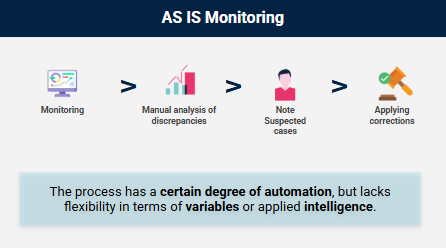
Artefact helps modernize finance by structuring automated data flows, standardizing calculation rules and consolidating information into a scalable finance data platform. This foundation supports smarter dashboards for Controllership, Treasury and Tax, and creates the conditions to scale analytics, AI and agentic workflows.
From that foundation, analytics, AI and agentic workflows can move finance from reporting to proactive decision support.
The finance business problems we solve
Finance transformation starts with the friction points that slow control, visibility and execution. Artefact helps finance teams solve the data, process and decision bottlenecks that reduce speed, planning quality and scalability.
- Disconnected finance data across ERPs, spreadsheets and manual files.
- Slow reporting, consolidation and close cycles that delay action and consume expert time.
- Manual finance workflows that create rework and weaken decision speed.
- Limited visibility on cash, performance and operational finance KPIs.
- Rising risk, compliance and audit pressure without scalable monitoring.
How Artefact transforms finance
Artefact combines data foundations, high-value AI use cases and the right operating model to modernize finance end to end.
- Build reliable data foundations and decision-ready finance dashboards.
- Deploy AI and GenAI across planning, controlling, risk and reporting.
- Scale agentic workflows for document-heavy and control-heavy execution.
The finance solutions we develop
How we build value across finance
We make finance data usable, reliable and scalable through the right platform, automated flows and a shared operating model. That foundation enables faster reporting, stronger visibility and more sustainable AI use cases.
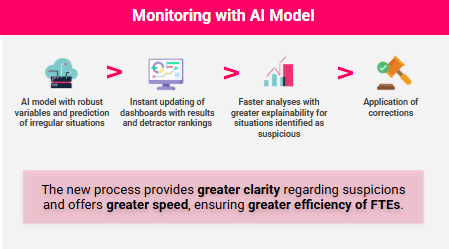
Once the foundation is in place, we deploy AI where it can improve finance decisions and performance. Artefact develops use cases across planning, credit, profitability, anomaly detection, reporting, fraud monitoring and finance analytics, with business activation built into dashboards, workflows and user interfaces.
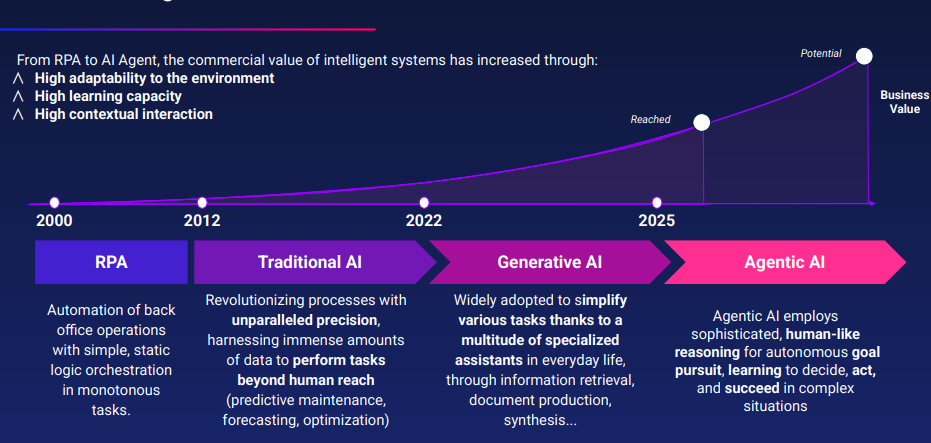
We use agentic AI when finance teams need more than a copilot. From credit-document processing and payroll checking to cash-flow orchestration and finance agentic rooms, Artefact helps automate multi-step workflows while keeping the right level of business control and human oversight.
- AI for ESG & regulatory reporting — More reliable reporting data, controls and disclosure workflows.
- Finance Accounting — Better automation across order to cash, procure to pay and reconciliation workflows.
- Finance Controlling & Analytics — Stronger visibility, standardized KPIs and decision-ready performance steering.
- Finance Forecasting, Planning, Simulation — Better forecasting, scenario analysis and forward-looking financial decisions.
- Risk & Audit — More scalable control monitoring, anomaly detection and audit readiness.
- Treasury, Cash & Tax — Better cash visibility, tax data foundations and proactive treasury management.


Trusted By Industry Leaders




Our methodology for finance transformation
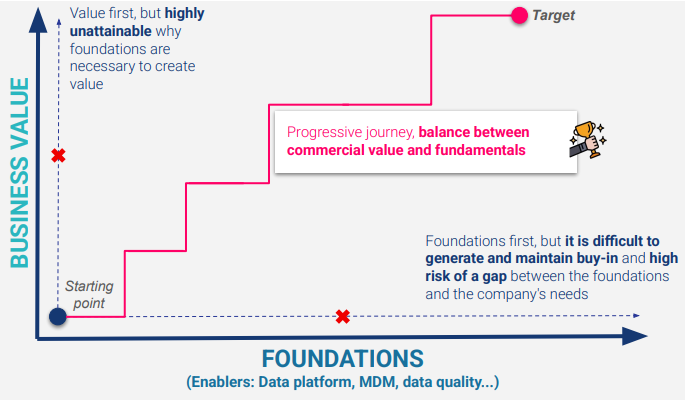
Artefact’s methodology starts with diagnosis and prioritization, then builds the data and process foundation required to scale. We align stakeholders, deploy high-value use cases and embed governance, security and adoption so value capture is measurable and sustainable.
- Diagnose and prioritize finance value pools.
- Build the right data and process foundation.
- Deploy AI, GenAI and agentic use cases with business ownership.
- Scale governance, adoption and measurable value.

Diagnose and prioritize finance value pools
We start by understanding where value is concentrated inside finance. We map pain points, target processes, and decision moments, then prioritize opportunities using impact and complexity criteria such as revenue/cost effect, people impacted, data readiness and model complexity.
This reduces noise, aligns stakeholders faster and helps focus on the use cases most likely to create business value early.

Build the right data and process foundation
We make the core data and workflow layer reliable before scaling advanced use cases. That includes data automation, standardization, governance, and the process architecture needed to industrialize reporting, analytics and AI activation.
This creates the conditions for reliable dashboards, consistent KPIs and scalable deployment instead of isolated proofs of concept.

Deploy AI, GenAI and agentic use cases with business ownership
We deploy the right level of intelligence for the problem to solve. Depending on maturity and process needs, this can range from augmented BI and predictive models to copilots, document-processing agents, and workflow agents supporting finance execution.
This improves decision quality and operational speed while keeping solutions anchored in real finance workflows.

Scale adoption, governance and value capture
We treat adoption and control as core parts of delivery, not afterthoughts. That includes human-in-the-loop governance, training, operating model design, monitoring, and the measurement of value capture over time.
This helps move from pilot enthusiasm to durable business impact, which is where many GenAI programs stall.
GenAI and agentic AI in the transformation of the financial sector
Download the ebook
Explore how finance teams can move from isolated automation to real operating-model transformation. This ebook looks at how data foundations, AI, GenAI and agentic systems can help modernize finance processes, strengthen control, improve decision-making and unlock more scalable execution.